Fire Is The Original Seasoning
Fuel choices, fire management, temperature charts, and per-protein technique playbooks — everything refined over a lifetime of cooking outdoors.
Charcoal, Wood, Gas, Pellets — What To Actually Use
The right fuel depends on what you're cooking, how much time you have, and how much flavor you're chasing. Here's the honest breakdown.
Lump Charcoal
Burns hotter than gas, imparts real flavor, and gives precise control through coal banking. A 22-inch kettle plus a chimney starter is the most versatile outdoor cooking setup money can buy.
Wood
Pure wood fires are the highest expression of outdoor cooking. The flavor reward is exceptional — oak, hickory, and fruitwoods each bring their own character. The learning curve is steep.
Gas / Propane
Gas wins on pure convenience. A quality gas grill with a metal smoker box delivers solid weeknight results. It can't match charcoal for peak searing temps or smoke flavor, but it's ready in 10 minutes.
Pellet Grills
Outdoor convection ovens that burn compressed wood pellets. They excel at long, low cooks — brisket, ribs, pulled pork — at a consistent 225°F. Pair with a kettle for high-heat searing.
The Two-Zone Fire
Build a hot side and a cool side on every cook. On charcoal: bank coals to one half. On gas: two burners on high, the others off.
Grill Temperature Setups
Internal Temps Every Cook Must Know
These are pull temperatures — the internal temp at which you remove the protein from heat. Carryover cooking adds 3–8°F depending on size.
Per-Protein Playbooks
The four-point technique checklist that applies to each protein every single time.
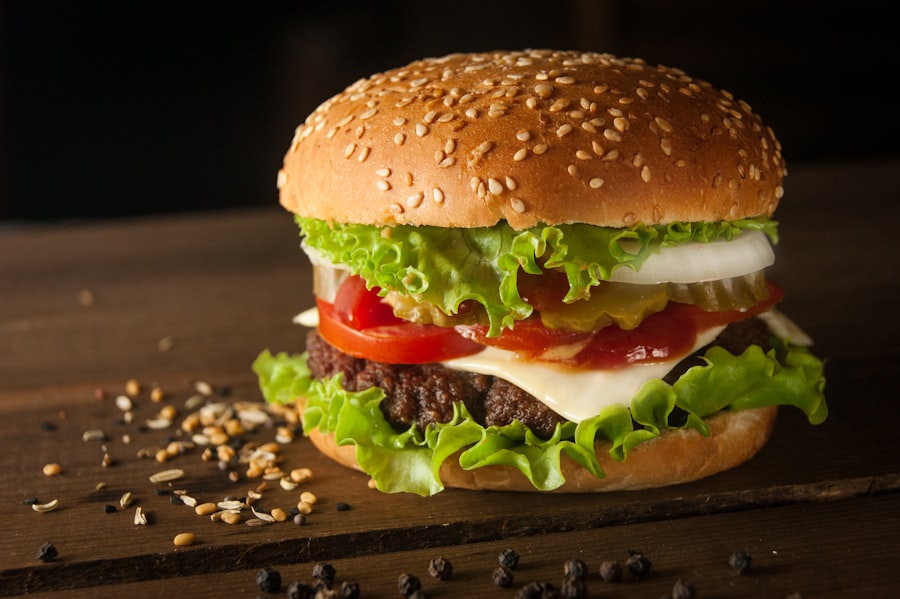
- Single flip, 3 min each side
- 450–550°F surface temp
- Cheese in final 60 seconds
- Never press the patty
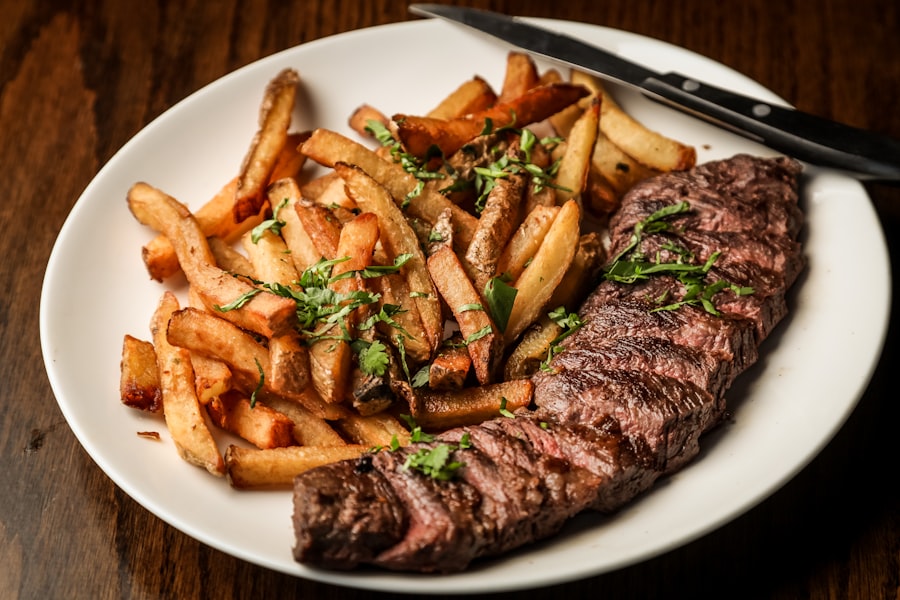
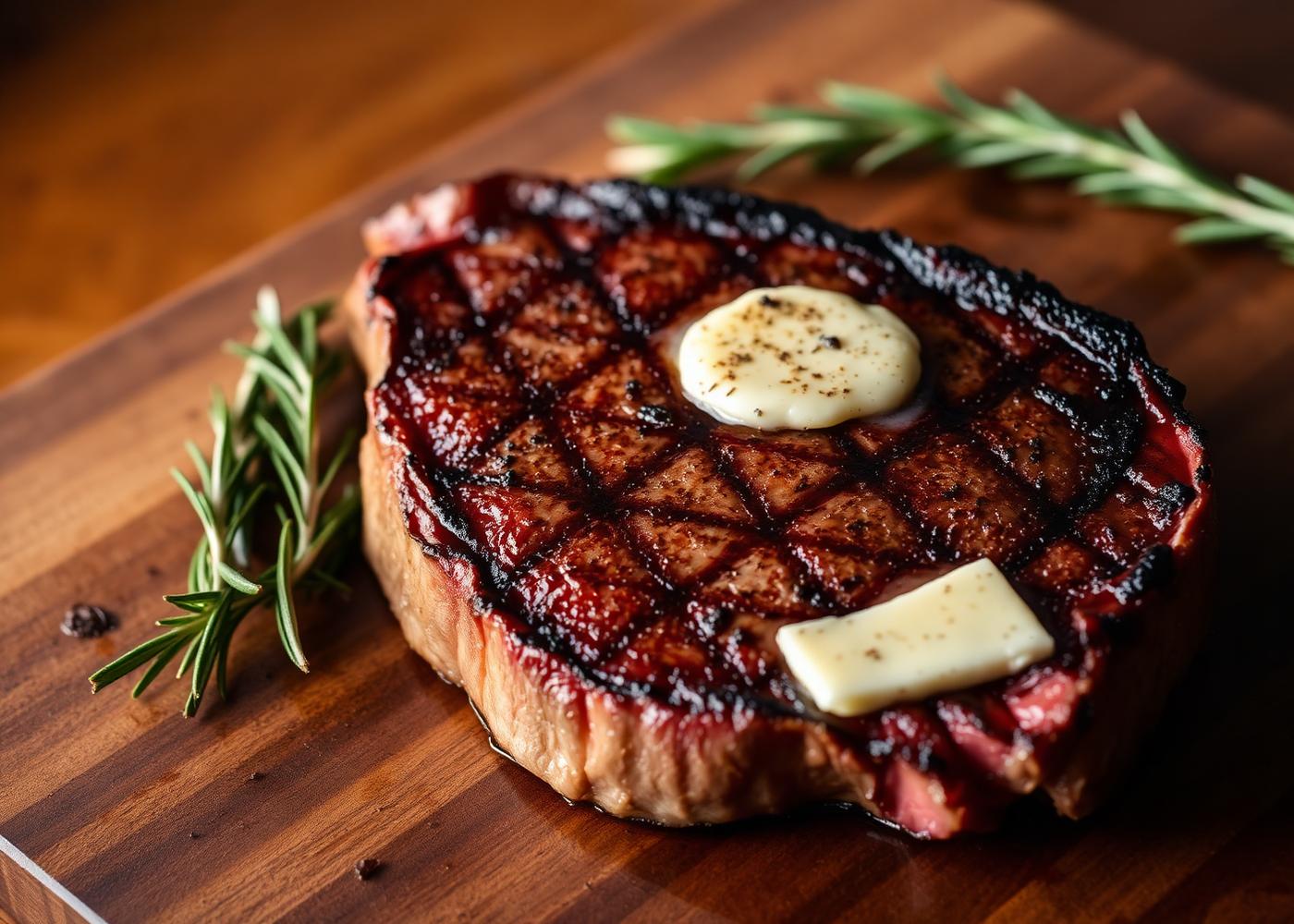
- Reverse sear for anything 1.5"+
- Pull 5°F below target temp
- Sear 60–90 sec per side
- Rest 5–10 min before slicing
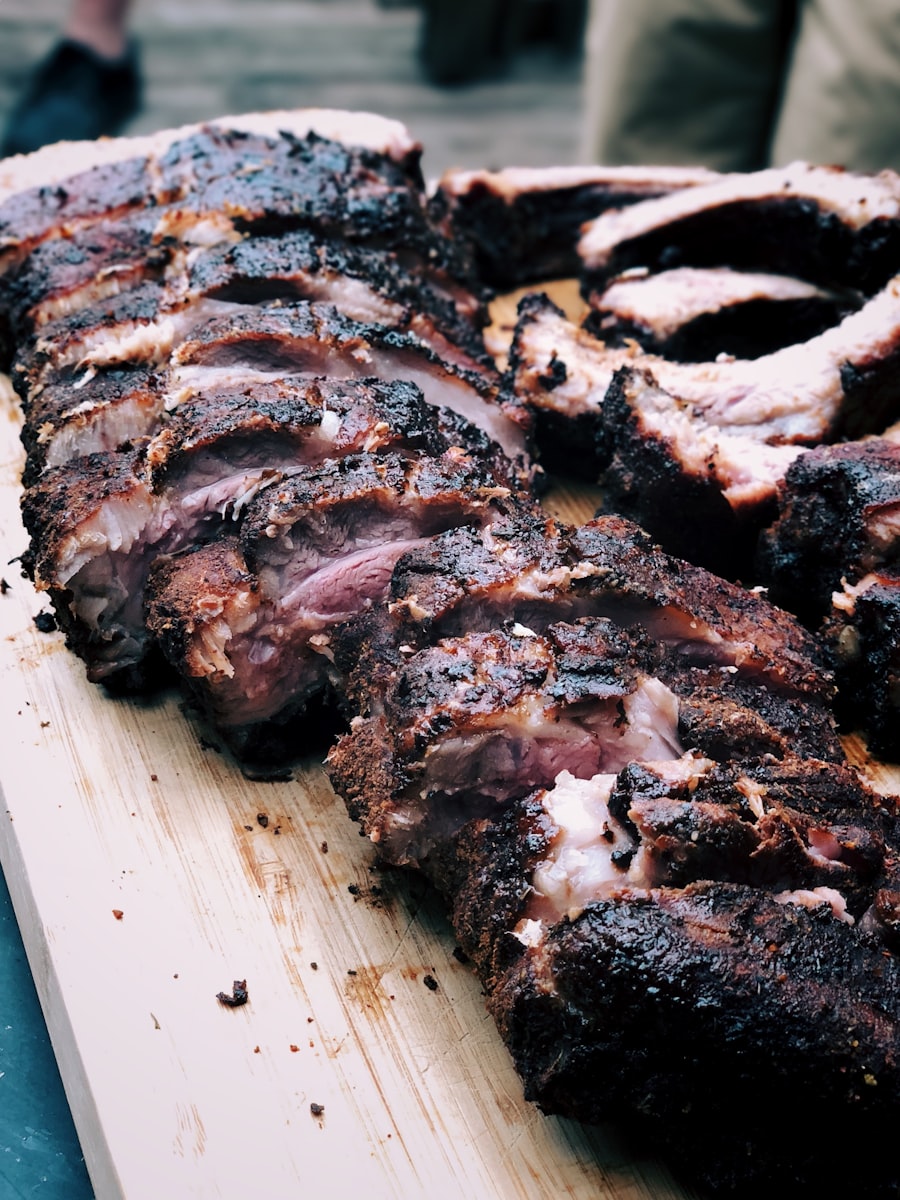
- 225°F indirect throughout
- 3-2-1 method for baby backs
- Wrap in foil at the stall
- Pull shoulder at 203°F
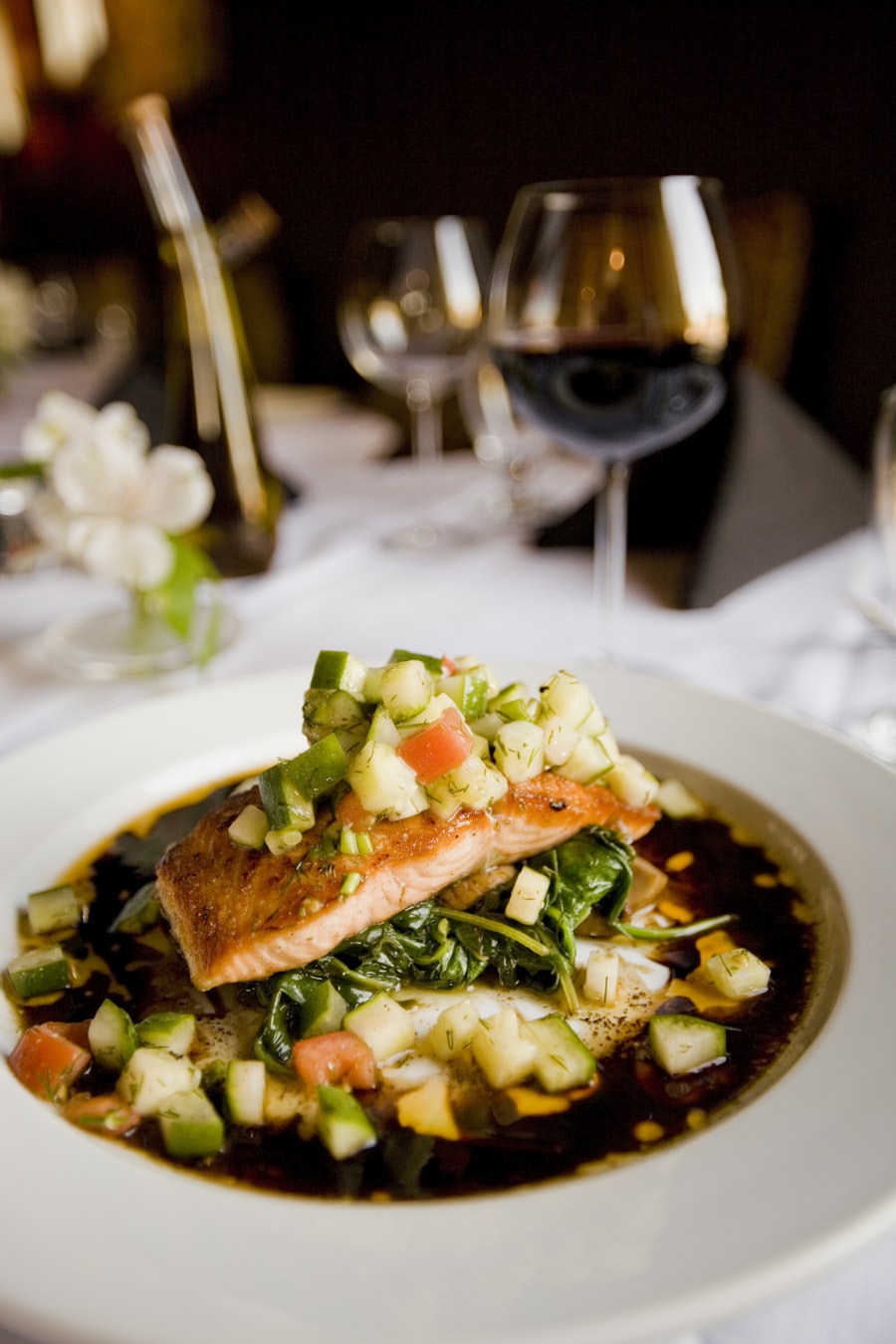
- Indirect until 155°F internal
- Finish direct for crispy skin
- Thighs pull at 170°F
- Brine overnight for best result
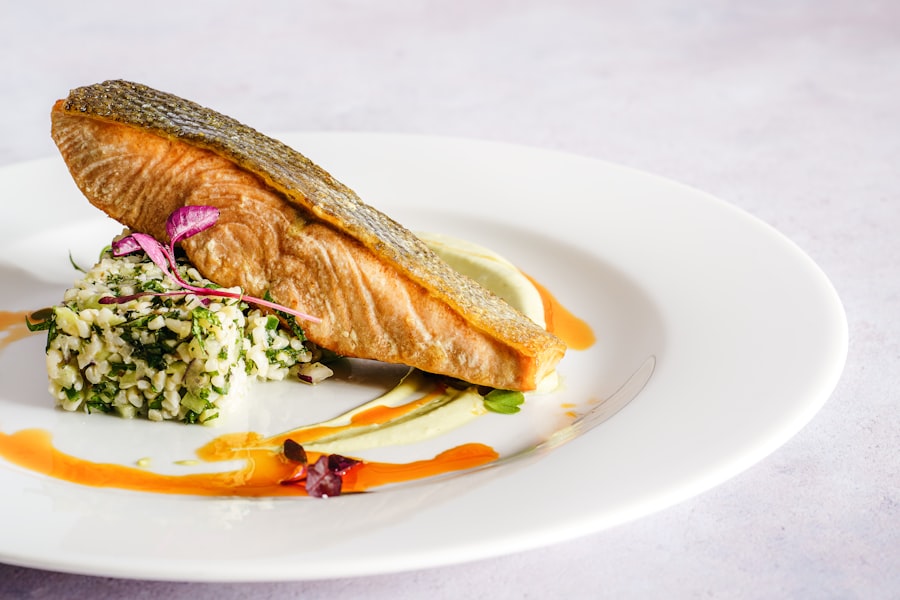
- High heat, very fast cook
- Shrimp 2 min per side max
- Salmon: skin-down, lid closed
- Pull the second it's opaque
- Olive oil + kosher salt only
- Direct heat, lid open
- Asparagus 4 min total
- Corn 12 min, rotate each quarter
The 6 Mistakes That Ruin Most Grills
Equipment That Actually Matters
Eight tools — in order of importance. Skip the gadgets. These are the ones that change the outcome of every cook.
Buy a chimney.
Frequently Asked
How much charcoal do I need?
A full chimney (~80 briquettes, ~4 lbs lump) handles most direct-heat cooks. Use a chimney and a half for sessions over 90 minutes.
How do I add wood smoke to a gas grill?
A metal smoker box filled with pre-soaked wood chips, set directly on the burner grate under the cooking grate, produces real smoke on gas.
How do I stop flare-ups fast?
Move protein to the cool zone immediately, close the lid to cut oxygen, and wait 30 seconds. Don't use water unless the fire is out of control.
What's the best wood for beef?
Hickory and oak are the workhorses — assertive and complementary to beef fat. Apple adds mild sweetness. Pecan is the universal crowd-pleaser.