How to Grill the Perfect Burger: A Pitmaster's Field Guide
Everything you need to grill a steakhouse-quality burger at home — from grind to sear to rest.
A perfect burger isn't an accident. It's a series of small, deliberate decisions — meat selection, patty formation, grill temperature, seasoning timing — that compound into something unforgettable. After years in the test kitchen, we've distilled that craft into a single playbook you can run this weekend.
1. Start With the Right Grind
The single biggest factor in burger quality is the meat itself. Look for an 80/20 chuck as your baseline. The 20% fat content is what gives a burger its juiciness, its sear, and that addictive beefy crust. Lean blends below 85/15 produce dry, hockey-puck patties no matter how skillfully you cook them.
For an upgraded experience, ask your butcher to grind a blend of chuck, short rib, and brisket. The short rib brings deep marbling, the brisket adds beefy intensity, and the chuck rounds out the texture. This is the same approach used at most of the great American burger restaurants.
Why fresh grind matters
Pre-packed ground beef from the supermarket sits under plastic wrap for days. The exposed surface area oxidizes, and the meat loses its bright flavor. If possible, grind at home or ask your butcher to grind to order. You'll taste the difference immediately. Not sure what to look for at the counter? Our meat buyer's guide covers USDA grades, marbling, and how to find a butcher worth returning to.
2. Build the Patty Correctly
Patty formation is where most home cooks go wrong. The instinct is to compress the meat tightly — but that's exactly what creates a dense, rubbery final product.
- Use a light touch. Form patties just firmly enough that they hold together.
- Make them wider than the bun by about a half-inch. They'll shrink on the grill.
- Press a shallow thumbprint into the center. This prevents the dreaded "burger doming" as the proteins contract.
- Target 6 ounces per patty for a classic, or 8 ounces for a steakhouse-style.
3. Season at the Right Moment
This rule is sacred: season the outside, never the inside. Mixing salt into ground beef before forming creates a dense, sausage-like texture (the salt dissolves muscle proteins). Instead, form your patties first, then season the exterior aggressively with kosher salt and freshly cracked black pepper right before they hit the grill.
Salt outside. Time inside. That's the burger commandment.
4. Get the Grill Screaming Hot
You want a two-zone fire: one side ripping hot (450–550°F) for searing, one side cooler for finishing thick cuts and giving yourself a place to move food when flare-ups happen. Charcoal will always give you better flavor than gas, but a good gas grill with the lid down will get the job done.
Clean and oil the grates before the patties go on. Cold grates and cold spots tear the crust right off the meat. These are the same fundamentals covered in our ten most common grilling mistakes — worth a read before your first cook of the season.
5. The Sear-and-Rest Method
Place patties on the hot side. Do not press them down. Pressing squeezes out the juices that make a burger great. Let them cook undisturbed for 3 minutes, flip once, and cook 3 more minutes on the second side for medium.
If you're adding cheese, place it on during the final 60 seconds with the lid closed — this traps just enough heat to melt without overcooking the patty.
6. Rest, Then Build
Like a steak, a burger needs to rest. Two minutes off the grill lets the juices redistribute throughout the patty instead of running onto the cutting board. Use this window to toast your buns on the grill — a 30-second face-down toast on a buttered brioche bun changes the texture profile entirely.
Assembly Order Matters
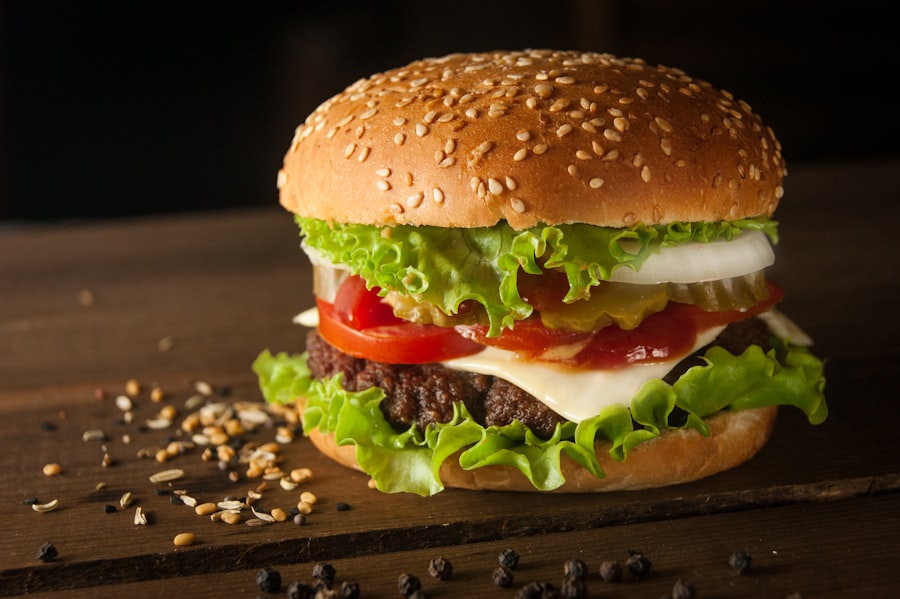
The classic stack, bottom to top: bottom bun → sauce → lettuce → tomato → patty → cheese → onion → pickle → top bun. Lettuce on the bottom creates a moisture barrier so the bun doesn't disintegrate. This is the difference between a great burger you eat with both hands and a wet mess you eat with a fork.
Common Pitfalls to Avoid
- Flipping repeatedly. One flip, period. Multiple flips disrupt the Maillard reaction.
- Cooking from cold. Let patties sit 15 minutes at room temperature first.
- Overloading toppings. The burger is the star. Three toppings max.
- Using a cold bun. Always toast.
Ready to Cook?
Once you've mastered the basics here, dive into our complete Grilling Guide for techniques across every protein, or browse our full Recipes collection for inspiration. If you're hosting, our BBQ party planning guide covers everything from quantities to timing.
Frequently Asked Questions
What temperature is a medium burger?
Pull at 145°F internal for medium. The temperature will climb another 5° during rest, landing at the USDA-recommended 150°F.
Should I use a smashed or thick patty?
Both are great — they're different categories. Thick (6–8 oz) for steakhouse-style with a juicy interior. Smashed (3 oz, smashed thin) for an all-crust, fast-food-inspired experience.
Charcoal or gas?
Charcoal wins on flavor. Gas wins on convenience. For burgers specifically, either delivers great results if you manage temperature correctly.