How to Choose Quality Meat: A Buyer's Field Guide
What to look for at the butcher counter, what the labels actually mean, and how to spend smart on beef, pork, and seafood.
Bo knows meat — and if you want to cook like him, you need to learn to shop like him. The single biggest upgrade most home cooks can make isn't a new technique or a new grill. It's a better protein, sourced with intention.
Start at the Counter, Not the Case
Pre-wrapped supermarket meat is the lowest tier of what's available to most shoppers. Cut to order at the butcher counter, you'll get better trim, better freshness, and the ability to ask questions. Build a relationship with one good butcher and the quality of every meal you cook goes up.
Decoding Beef Grades
- Select: Leanest, least marbled. Avoid for steaks. Fine for slow-cooked cuts.
- Choice: Solid everyday beef. Good marbling. Most supermarket beef sold here.
- Prime: Top 5–8% of beef. Heavy marbling. Worth the premium for steaks.
- Wagyu / Kobe: Specific genetics, intense marbling. Best eaten in small portions.
Reading the Marbling
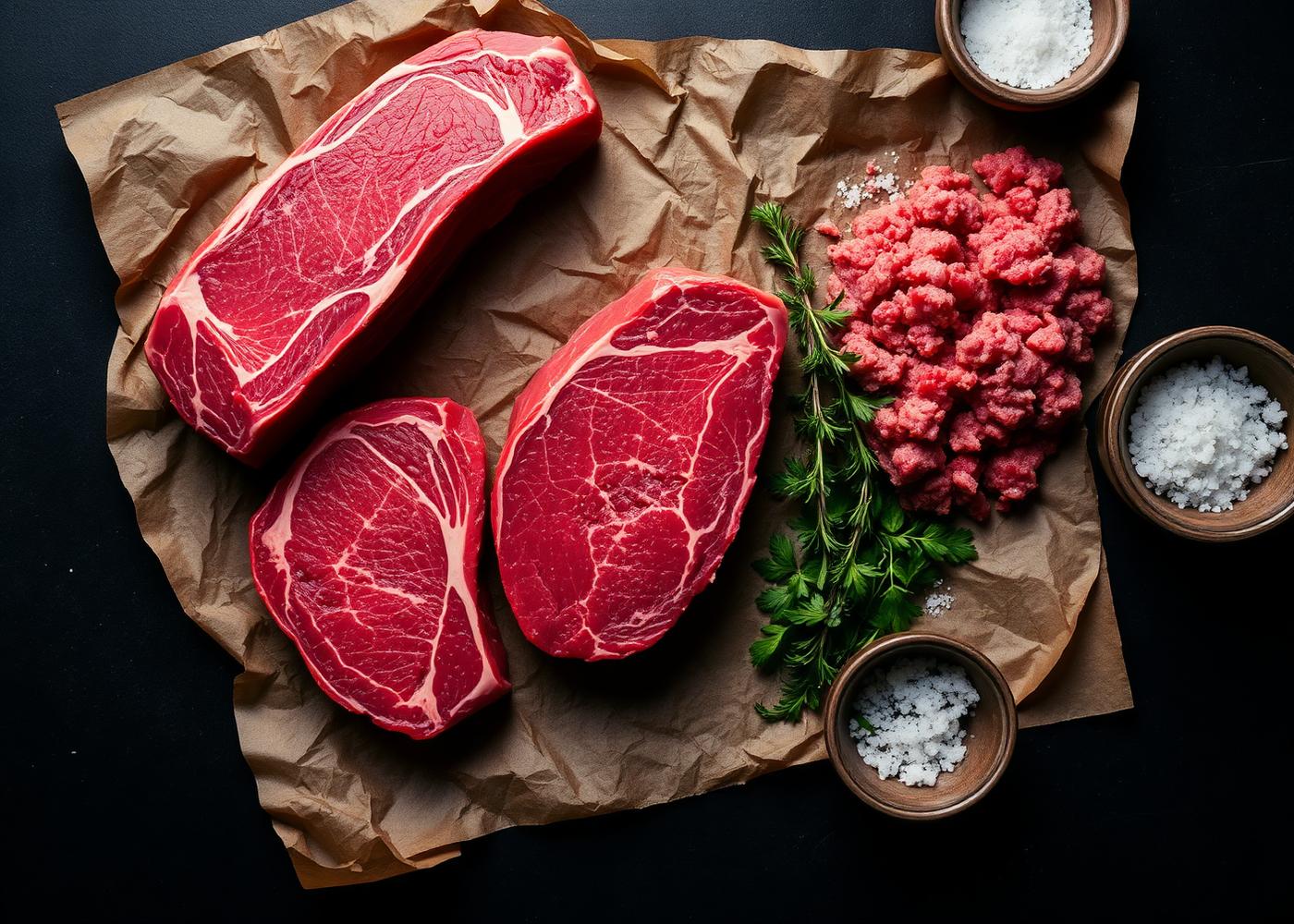
Marbling is the white intramuscular fat that melts during cooking and bastes the meat from within. More marbling = more flavor, more tenderness, more juice retention. Look for fine, evenly distributed white flecks — not large pockets of fat at the edges.
Color and Texture Tells
- Beef: Bright cherry red, firm to the touch. Brown patches indicate oxidation (still safe, less fresh).
- Pork: Pinkish-red, firm, with white (not yellow) fat.
- Chicken: Pale pink with creamy yellow fat. No grayness, no off smell.
- Shrimp: Translucent shells, no ammonia smell, firm.
Grass-Fed vs. Grain-Finished
Grass-fed beef has cleaner, leaner, more "beefy" flavor. Grain-finished beef has more marbling, more fat, and a sweeter profile. Neither is objectively better — they're different products. For burgers, we lean grain-finished (the fat matters). For ribeyes, both are excellent.
Dry-Aged vs. Wet-Aged
Dry aging concentrates flavor and tenderizes the meat through evaporation and enzymatic action. 21–45 days of dry aging adds nutty, funky depth. Wet aging happens by default in vacuum packaging and produces a cleaner, more straightforward beef flavor.
The best meat in the world will still taste mediocre if you cook it on a cold grill. The best technique in the world will still struggle with poor meat. Buy well, cook well.
Shopping Smart on a Budget
- Chuck eye steak — ribeye flavor at a third of the price
- Flat iron — second-most-tender cut on the cow, modestly priced
- Sirloin tip — lean, great for marinated kebabs
- Pork shoulder — feeds a crowd, forgiving cook, cheap per pound
- Chicken thighs (bone-in, skin-on) — more flavor than breasts, half the price
Chuck eye steak in particular responds beautifully to the reverse sear method — see our steak cooking techniques guide for the full breakdown.
Seafood Buying Rules
Fresh seafood smells like the ocean, not like fish. If it smells fishy, walk away. For shrimp, US-caught wild shrimp from the Gulf are some of the best in the world; avoid imported farmed shrimp where possible. For salmon, look for wild Alaskan when in season. Once you have quality shrimp at home, our shrimp burger recipe is the best possible showcase for it.
Storage Once You're Home
- Beef: 2–3 days in the coldest part of the fridge (back, bottom)
- Ground meat: 1–2 days. Cook or freeze.
- Poultry: 1–2 days
- Seafood: same day if possible. Pack on ice in the fridge.
FAQ
Is organic worth it?
For chicken and dairy, often yes. For beef, "grass-fed" is a more meaningful label than "organic."
Can I freeze quality cuts?
Yes — vacuum sealed, frozen quickly, kept under 30 days. Quality loss is minimal.
How do I find a good butcher?
Look for one that breaks down whole or half animals on site. Ask them questions. Tip well at holidays.
Once you have great meat, treat it right — start with our perfect burger guide, our steak cooking techniques, or browse the recipe library.